WHAT ARE: Medical Device labels
 Ensure regulatory compliance and patient safety with legible, durable labels printed using thermal transfer technology.
Key Benefits
- Individual traceability for every device
- Compatibility with both paper and synthetic labels
- Support for Drug Master File (DMF) submissions
Labeling Medical Devices
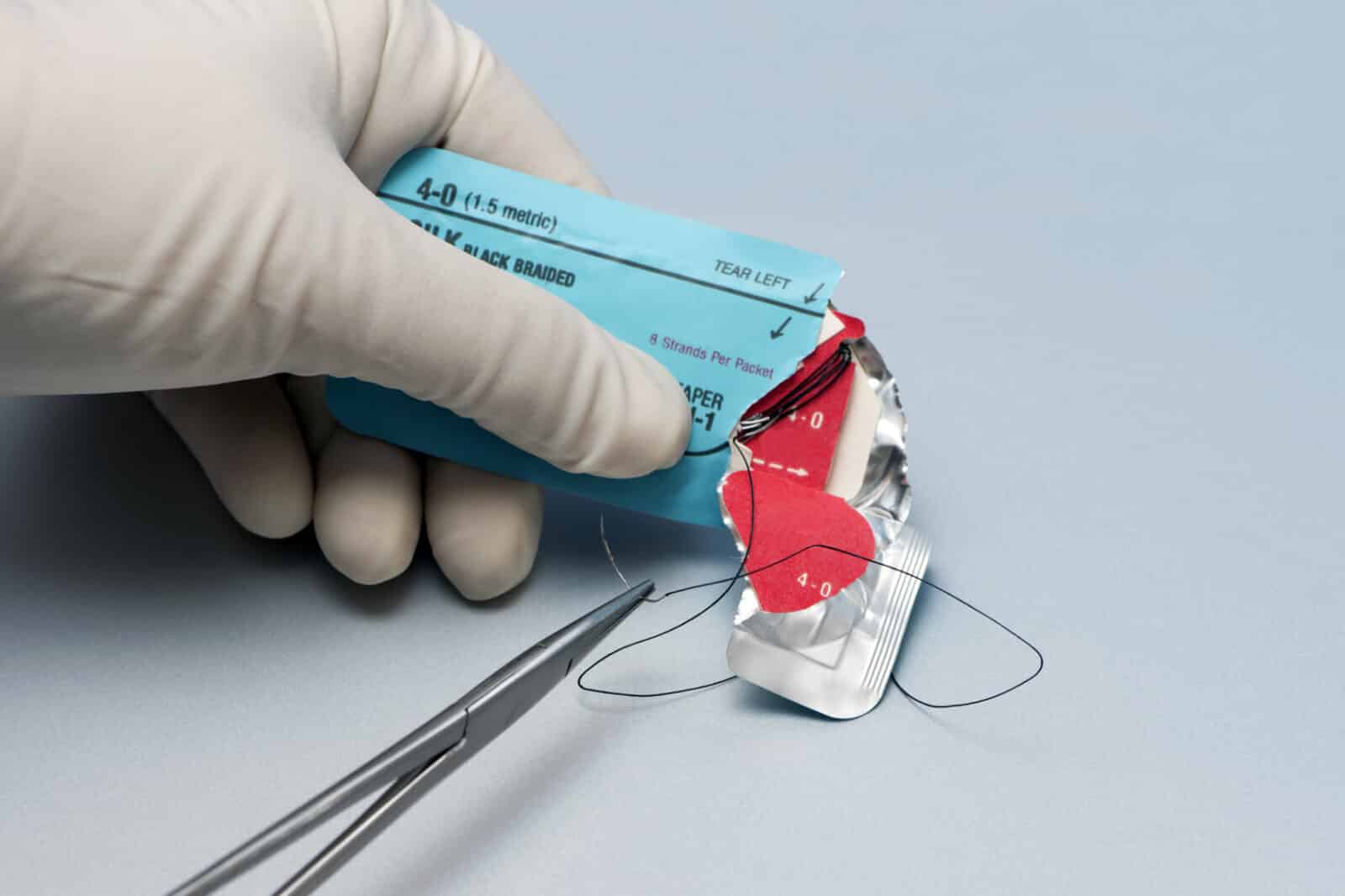
Medical device labeling is a complex, highly regulated process. In the United States, the FDA governs the Unique Device Identification (UDI) system, while in the European Union, labeling is regulated under the Medical Device Regulations (MDR).
These frameworks standardize the identification of medical devices throughout their lifecycle—from distribution to end use. Thermal transfer printing is commonly used for labeling individual devices as well as unit packs, inner packs, and master cartons. Reliable labeling is essential for supply chain efficiency and, most importantly, patient safety.
In the US, the UDI system requires each medical device to include:
- A unique traceability code
- A machine-readable barcode
- A human-readable representation of the product
Thermal transfer printing delivers:
- Durable, long-lasting barcodes
- Logos, product drawings, and minor text characters
- Critical flexibility for device manufacturers
Medical device manufacturers planning to sell in the US must submit a Drug Master File (DMF) to the FDA to validate the safety of all product components, including printing inks. ARMOR-IIMAK supports compliance by providing detailed ink composition information for FDA review.
Hospitals and clinical establishments also rely on precise labeling and traceability to ensure patient safety and optimal care.
Why Thermal Transfer Technology?
Thermal transfer printing is ideal for medical device labeling because it:
- Ensures regulatory compliance
- Maintains legibility under repeated handling, temperature extremes, and exposure to chemicals
- Supports both paper and synthetic substrates for long-term durability
By using thermal transfer, manufacturers can confidently meet both regulatory and patient safety requirements.
For this application, we recommend the following products APX FH+ and APR 400