WHAT ARE: Rating Plate Labels
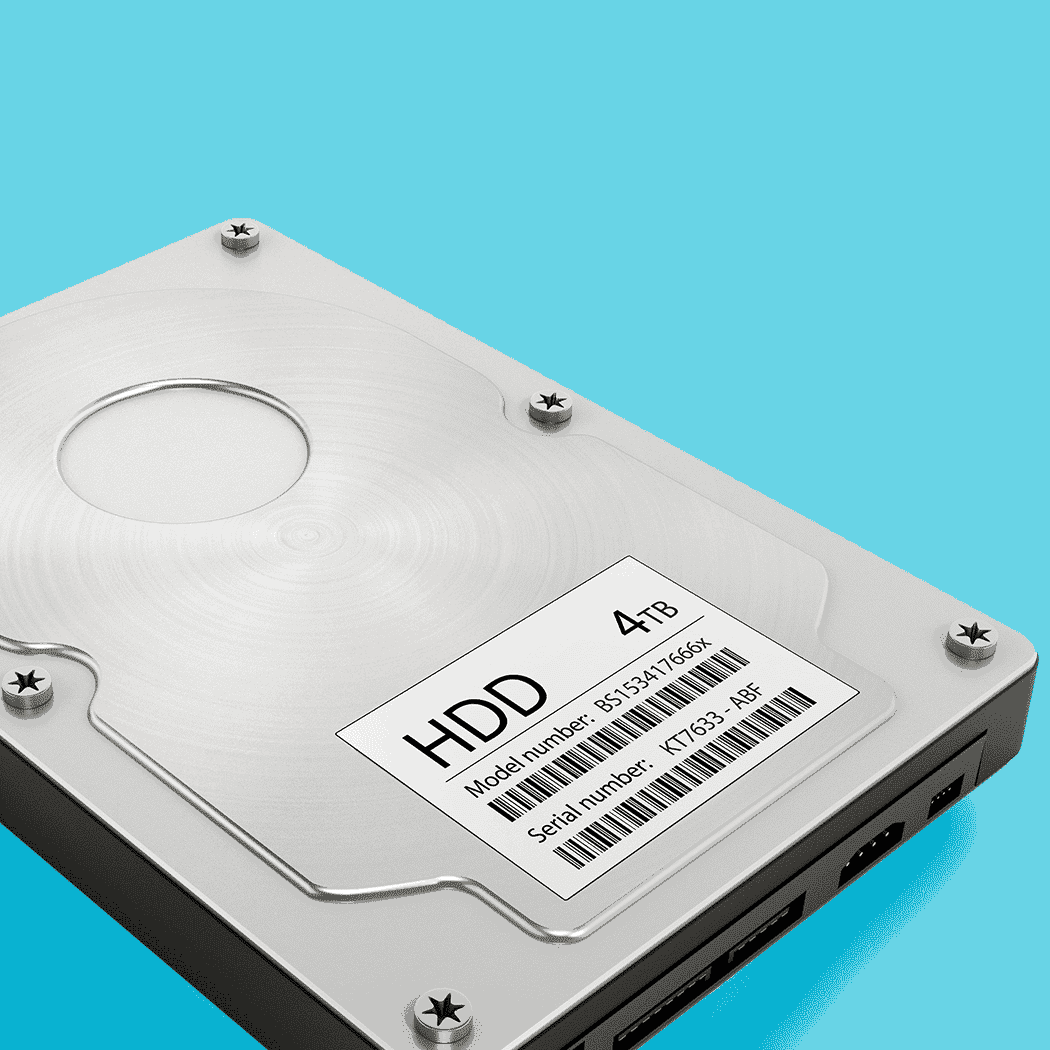
 A rating plate’s print quality and durability are essential to ensure that critical data remains legible throughout the entire product life cycle—from manufacturing and daily use to servicing and end-of-life recycling.
Key Benefits
- Exceptional print durability
- Resistance to high and low temperature extremes
- Excellent compatibility with synthetic media
The Role of Rating Plates
Rating plates contain essential technical information such as:
- Manufacturer identification
- Serial and model numbers
- Date of manufacture
- Load ratings
- Electrical specifications
- Operating and maintenance instructions
- Other regulatory or safety details
Depending on the product’s function, rating plates must endure a wide range of harsh environmental conditions:
- Heat (e.g., ovens, refrigerator compressors)
- Abrasion and dust (e.g., power tools like drills)
- Exposure to chemicals or corrosive substances (e.g., kitchen appliances)
Regulatory Compliance
Thermal Transfer ribbons from the ARMOR-IIMAK range offer solutions that help manufacturers comply with:
- EU Directive 2011/65/EC (RoHS)
- EU Directive 2002/96/EC (WEEE)
- Halogen content restrictions
- UL standards for printed label durability
Why Use Thermal Transfer Technology?
Thermal Transfer Printing for Rating Plates
ARMOR-IIMAK Resin inks (AXR range) are particularly well-suited for synthetic materials commonly used for rating plates. These inks offer a high level of adhesion to the label surface, delivering exceptional resistance against:
- Abrasion
- Solvents
- Heat and cold
- Oils and fats
- UV exposure
This durability ensures long-lasting, reliable identification—crucial for safety, compliance, and product traceability.
For this application, we recommend the following products: AXR 7+; AXR 8; AXR 9