WHAT IS: Blood & IV bag labeling
 Labeling Blood and IV Bags: Ensuring Safety Through Traceability
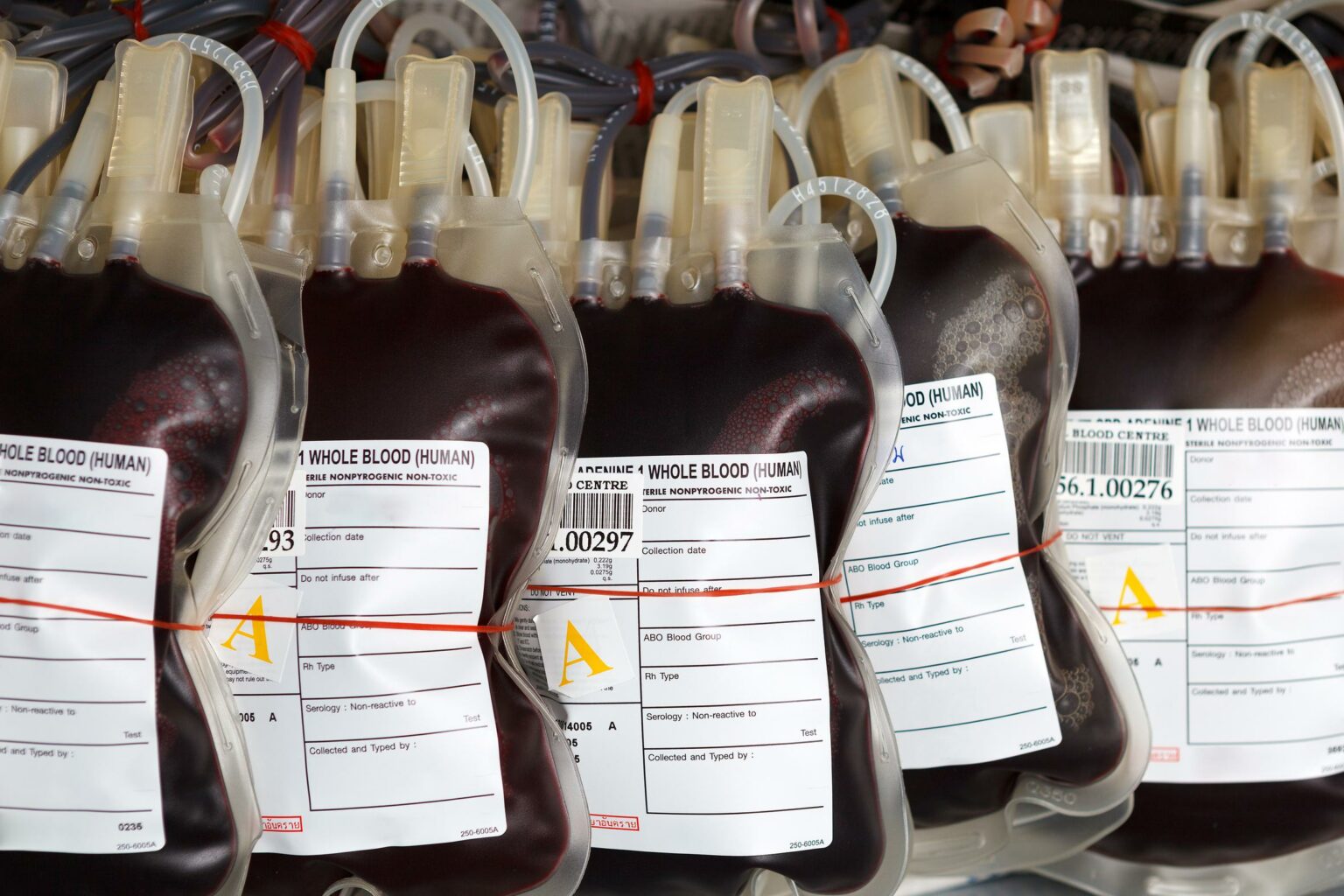
Collecting blood is a straightforward process; however, ensuring the accurate identification and full traceability of every blood bag—right through to the receiving patient—is a significant operational and safety challenge. When a patient requires a transfusion, the process must be secure, reliable, and failsafe. Durable, clearly legible labels on blood bags are therefore a critical component of patient safety.
Why Blood & IV Bag Labeling Matters
Patient safety is directly dependent on the integrity and legibility of blood donation labels. Consider a critical emergency scenario in which an accident victim requires an urgent transfusion, but available blood bags cannot be used because their labels are illegible. In such cases, labeling failures can have life-or-death consequences.
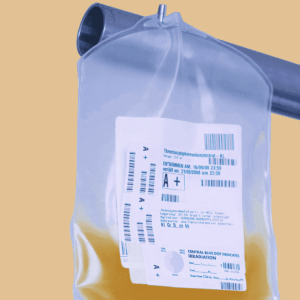
Blood donation labels carry essential information, including donor identification, blood group, and expiration date. If a barcode or blood type becomes unreadable at any stage, the blood bag must be discarded, potentially delaying treatment.
Lifecycle Challenges for Blood Bag Labels
Throughout their lifecycle, blood bags and their labels are exposed to extreme conditions, including:
- Blood component processing, such as centrifugation
- Sterilization by autoclave at temperatures ranging from 100°C to 140°C (212°F to 284°F)
- Storage at temperatures as low as -50°C (-58°F)
- Repeated handling, transport, and abrasion
To ensure uninterrupted traceability, labels must remain intact and readable under all of these conditions.
Key Requirements for Blood Donation Labels
Blood bag labels are subject to strict regulatory and performance requirements, including:
- Clear and permanent identification of donor data, blood type, and expiration date
- Resistance to harsh processing, sterilization, storage, and transport environments
- Long-term legibility of printed information to prevent errors, mix-ups, or contamination
Benefits of High-Performance Blood Bag Labeling
- Individual traceability of each blood bag
- Resistance to multiple sterilization techniques
- Use of inks supported by a Drug Master File (DMF) number
- Durable, easy-to-read print quality throughout the product lifecycle
Why Use Thermal Transfer Printing Technology
To ensure that printed information remains intact from donation through transfusion, thermal transfer printing with resin-based ribbons is strongly recommended. This technology offers:
- Excellent print quality, even for small barcodes such as DataMatrix and other 2D codes
- High resistance to cold temperatures, autoclave steam, and mechanical abrasion
- Compatibility with all commonly used blood bag label materials, including coated paper and synthetic substrates
In addition, primary production data can be printed directly onto blood bags using black or colored ribbons with near-edge printers, further enhancing traceability and process efficiency.
For this application, we recommend the following products, APX FH+ and APX 650.